Background on the Museum Debate
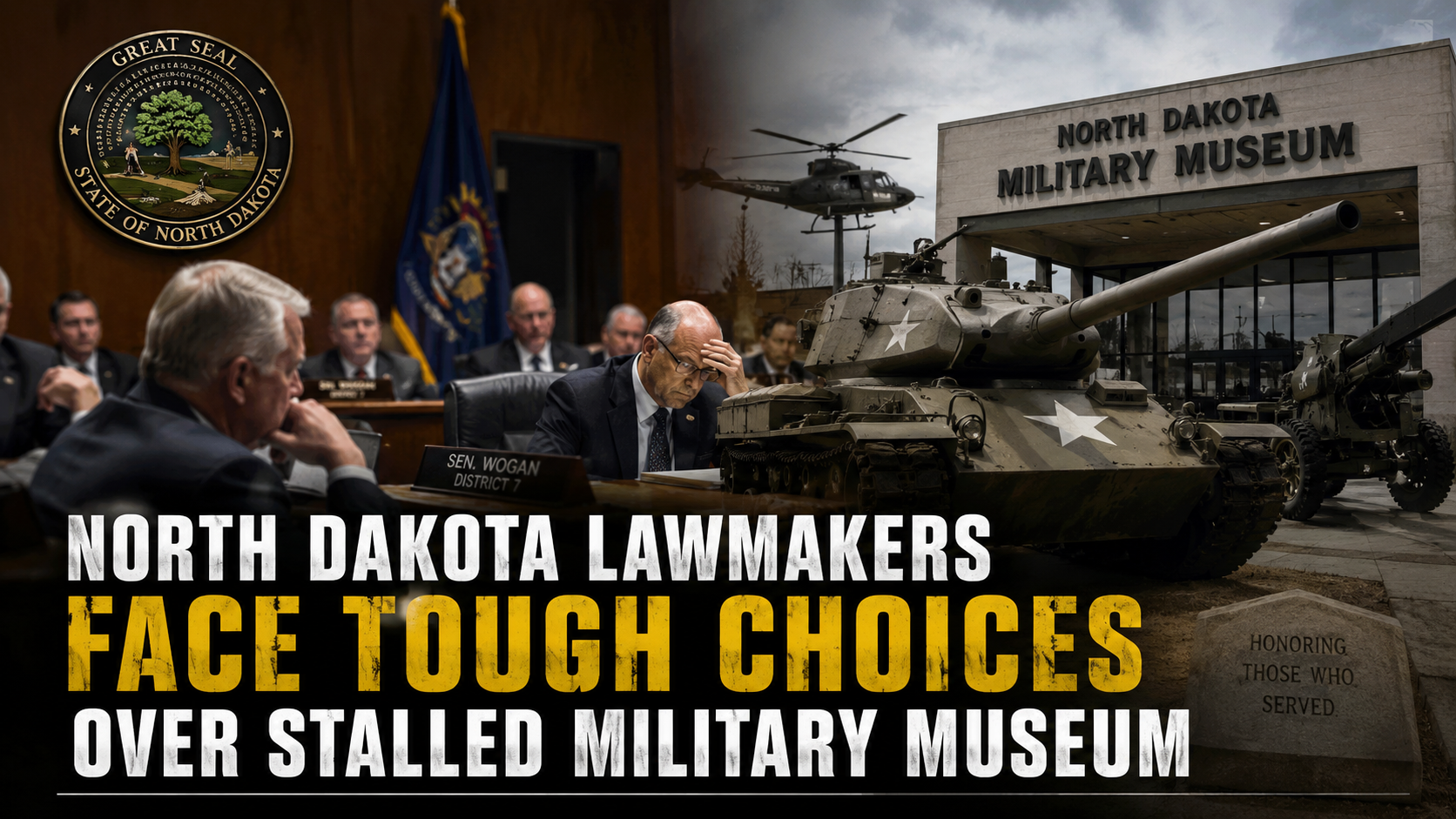
According to the article, Governor Kelly Armstrong called a special legislative session to address kratom, a substance that has become a public health concern. Some observers speculated the session was really about data centers or the stalled military museum on the capitol grounds. The source clarifies that the session’s primary purpose is kratom, but lawmakers may still discuss the museum while they are together in Bismarck.
Three Options Presented
The piece outlines three possible paths for the military museum initiative. First, a bailout could involve allocating additional state funds or securing a line of credit from the Bank of North Dakota to cover the fundraising gap and resume construction. Second, a stop‑gap measure would provide just enough money to winterize the site, buying time for a more permanent solution during the regular session starting in January. Third, lawmakers could terminate the project, refill the excavated hole, and restore the capitol grounds to their previous condition.
Reasons for Favoring the Third Option
The author favors ending the project for two main reasons. First, fundraising has fallen far short of expectations. Under House Bill 1018, legislators appropriated $4.2 million to repay an earlier Bank of North Dakota line of credit used during the 2023‑2025 biennium for planning and design work. They also set aside $15 million from the state’s Strategic Investment and Improvement Fund, which would become available once the project reached 33 percent of its $38.7 million fundraising target—approximately $12.8 million. To date, only $4.1 million has been raised. The article questions whether future private donations will materialize given the current shortfall.
Second, breaking ground before securing stronger donor commitments placed taxpayers and legislators in a difficult position. The source argues that the only remaining choices are to continue pouring money into a struggling effort or to write off tens of millions already spent. Accepting the loss of the expended $20 million Bank of North Dakota line of credit, the public dollars already invested, and the cost of site restoration would be painful. However, taking that step would send a clear message that project backers cannot rely on taxpayers to cover gaps caused by bureaucratic missteps and fundraising failures.
Implications for Future Projects
By highlighting the mismatch between early construction and private support, the column suggests that similar ventures should wait for firmer financial commitments before breaking ground. The piece warns that proceeding without adequate funding risks creating a costly quagmire that forces difficult decisions later on. The author concludes that, while abandoning the museum may be unpleasant, it offers a principled way to protect public resources and discourage future overreach.