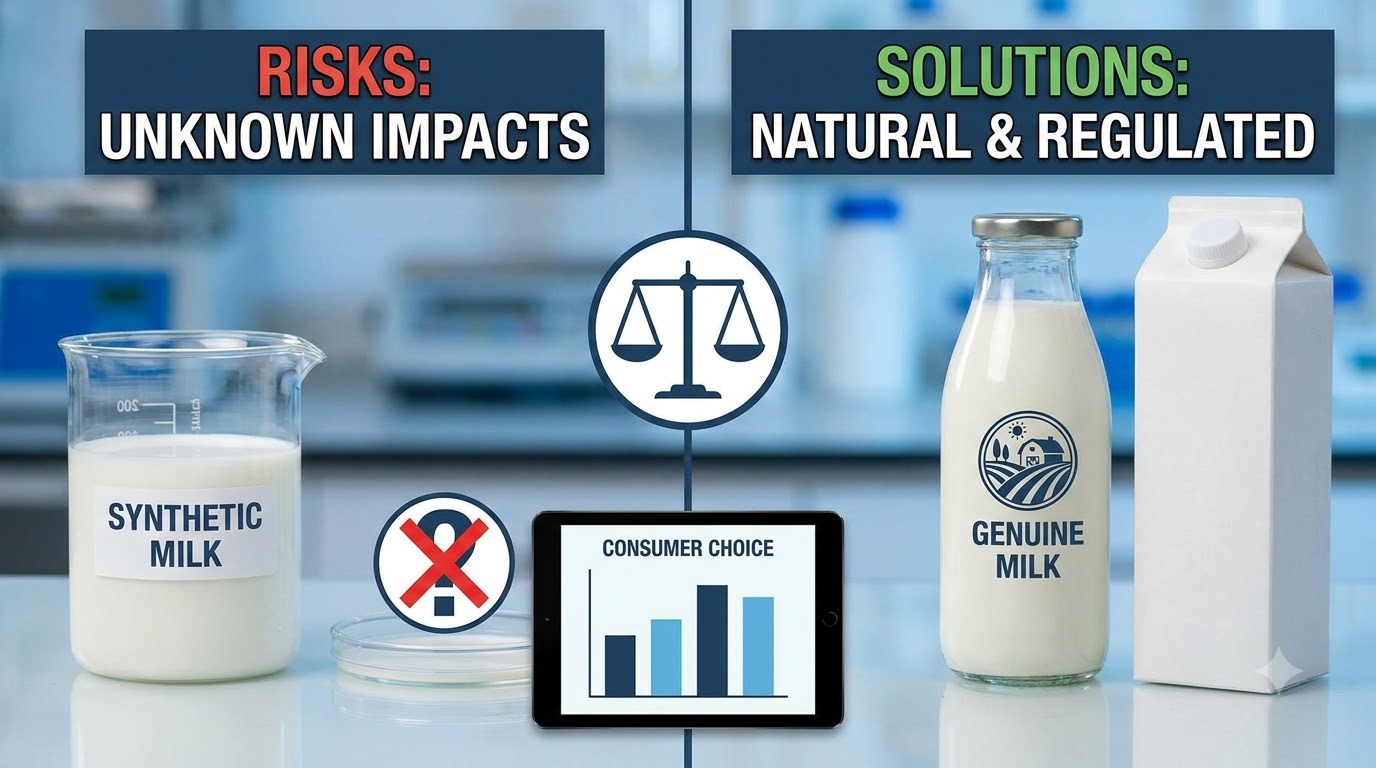
Milk is a staple in many households, valued for its nutritional benefits. However, the rise of synthetic milk has raised concerns about food safety and health. According to the Indian Express Lifestyle, synthetic milk is produced using chemicals and additives that mimic the appearance of genuine milk but lack its nutritional value. Understanding the differences between synthetic and genuine milk is crucial for consumer safety.
What is Synthetic Milk?
Synthetic milk is not produced from cows or buffaloes but is instead made using a combination of skim milk powder, chemicals, and emulsifiers. As explained by Maharashtra FDA Commissioner Tukaram Mundhe, this process involves the use of caustic soda, shampoo, and other non-food-grade substances to create a product that resembles real milk. The economic incentive for producing synthetic milk is significant, as it costs around Rs 50 to produce, compared to Rs 30 for buffalo milk and Rs 40 to Rs 50 for cow milk in the market.
While synthetic milk may look and taste similar to genuine milk, it lacks the essential nutrients found in natural milk. Dr. Adithya V. Naragund, a senior consultant in GI & HPB Surgery, explains that genuine milk is a naturally balanced source of protein, calcium, healthy fats, vitamins, and minerals. Synthetic milk, on the other hand, is manipulated to mimic the appearance and consistency of real milk without providing the same nutritional value.
Health Risks of Synthetic Milk
The health implications of consuming synthetic milk can be severe. Dr. Jagadish Hiremath, a public health intellectual, warns that exposure to adulterants such as detergents and caustic soda can cause immediate symptoms like stomach discomfort, vomiting, diarrhea, and throat irritation. Long-term consumption may increase the risk of damage to the digestive system, liver, and kidneys, particularly for vulnerable groups such as infants, pregnant women, older adults, and people with chronic illnesses.
These risks highlight the importance of detecting and preventing milk adulteration. However, the complexity of the dairy supply chain in India makes it challenging to trace the source of contamination. Milk often changes hands multiple times before reaching consumers, making it difficult to identify where adulteration occurs.
How to Detect Adulterated Milk
While home-based observations such as unusual smell, taste, excessive frothing, or abnormal texture may raise suspicion, they cannot reliably confirm adulteration. Laboratory testing remains the most dependable method for detecting chemical contaminants and sophisticated adulterants.
Consumers are advised to purchase milk from trusted and licensed brands or verified local suppliers. Ensuring that packaging is intact, checking expiry dates, and refrigerating milk promptly can also help reduce the risk of bacterial contamination. Avoiding products with unexplained changes in color, consistency, or flavor is another important step in maintaining milk quality.
Solutions to Combat Milk Adulteration
According to Tukaram Mundhe, digital traceability is a key solution to combat milk adulteration. By tracking milk from the farmer level to the dairy, it becomes possible to identify any discrepancies in the supply chain. Farmers, collection centers, chilling centers, and dairies all play a role in ensuring the integrity of the milk supply.
Mundhe emphasizes that digital systems can help monitor milk production and detect irregularities. For example, if a village in Maharashtra is expected to produce a certain amount of milk daily and more is reported, it could indicate the presence of synthetic milk. Implementing such systems can significantly reduce the risk of adulteration.
Another solution is the use of animal identification systems, such as ear tagging, which can be linked to milk procurement records. This ensures that the milk comes from verified sources and reduces the likelihood of synthetic milk entering the supply chain. Mundhe also calls for stricter legal action against those involved in producing synthetic milk, suggesting that they should be prosecuted under organized crime and economic offences.
Conclusion
The issue of synthetic milk is a pressing concern for food safety in India. While the economic incentives for producing synthetic milk are clear, the health risks to consumers are significant. By implementing digital traceability, improving transparency in the dairy supply chain, and enforcing stricter regulations, it is possible to reduce the prevalence of milk adulteration.
Consumers also play a vital role in ensuring the safety of the milk they consume. By being vigilant and purchasing from trusted sources, they can help protect themselves and their families from the dangers of synthetic milk. As the fight against milk adulteration continues, it is essential to remain informed and take proactive steps to safeguard public health.